
Optimal Timing for Land Clearing
Land clearing involves removing trees, shrubs, and other obstacles to prepare a site for construction, agriculture, or development. The timing of land clearing can significantly impact the efficiency, cost, and environmental impact of the process. Understanding seasonal and weather patterns helps determine optimal periods for land clearing activities.
Spring offers favorable conditions with moderate temperatures and longer daylight hours, making it suitable for land clearing projects before the peak of the growing season.
Summer may bring higher temperatures and increased rainfall, which can hinder land clearing efforts and increase costs due to muddy conditions.
Fall provides cooler temperatures and drier conditions, ideal for completing land clearing before winter sets in.
Winter can pose difficulties with frozen ground and limited daylight, often making land clearing less practical in colder months.
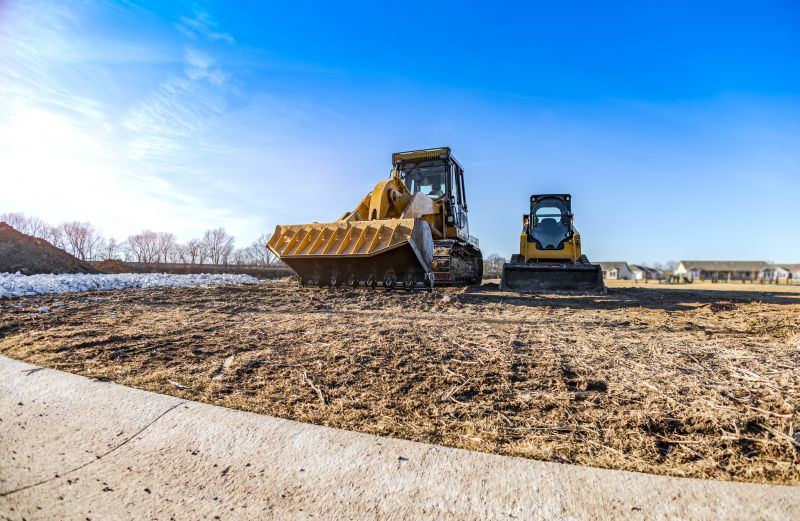
Heavy machinery used in land clearing includes bulldozers, excavators, and mulchers, which operate best under optimal weather conditions.
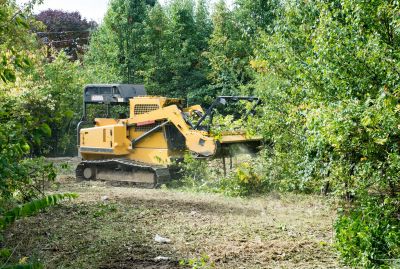
Springtime land clearing shows active machinery and cleared land ready for development.
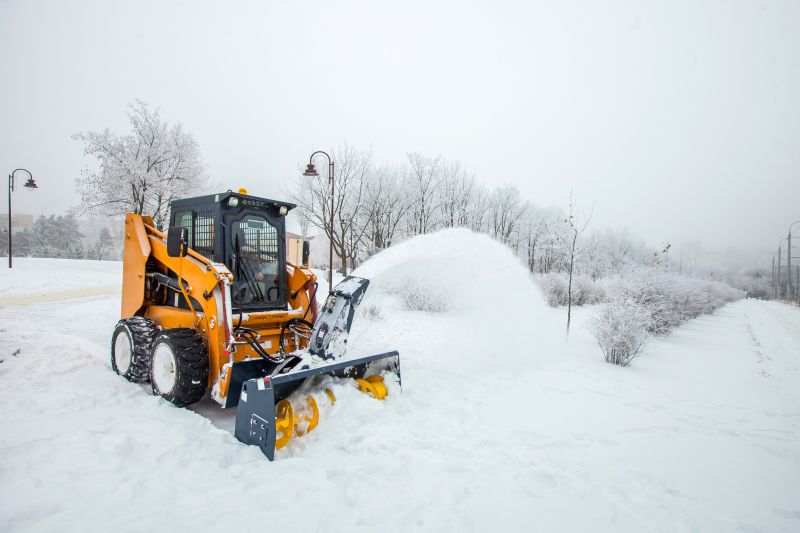
Frozen ground during winter limits equipment operation and project timelines.
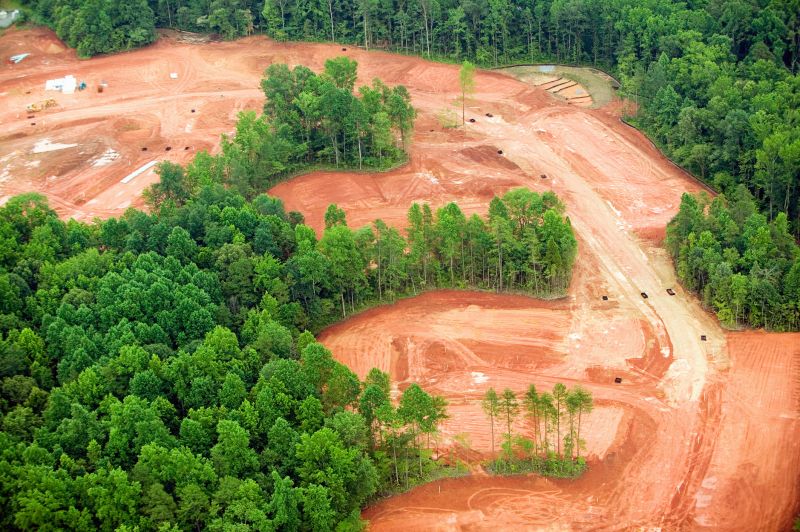
Ways to make Land Clearings work in tight or awkward layouts.
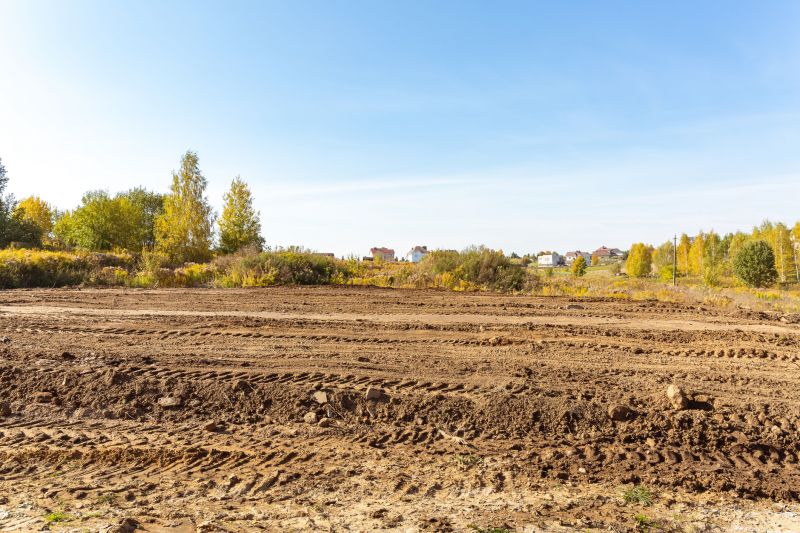
Popular materials for Land Clearings and why they hold up over time.

Simple add-ons that improve Land Clearings without blowing the budget.
| Season | Optimal Conditions |
|---|---|
| Spring | Moderate temperatures, longer days, dry soil |
| Summer | Higher temperatures, increased rainfall, potential delays |
| Fall | Cooler weather, dry conditions, ideal for completion |
| Winter | Frozen ground, limited daylight, challenging conditions |
Land clearing is a critical step in preparing a site for construction, agriculture, or development projects. Proper timing ensures efficient use of resources, minimizes delays, and reduces costs. Seasonal considerations, weather patterns, and soil conditions are essential factors influencing the scheduling of land clearing activities.
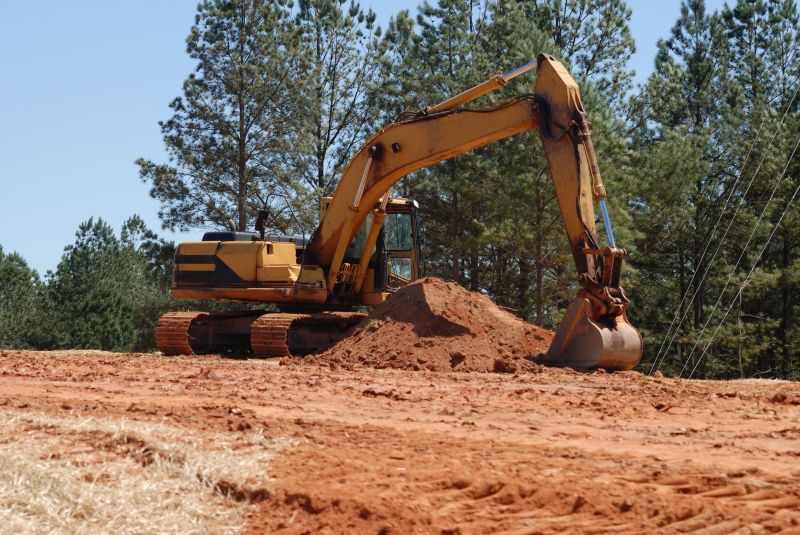
Excavators and bulldozers efficiently clear land during optimal weather conditions.
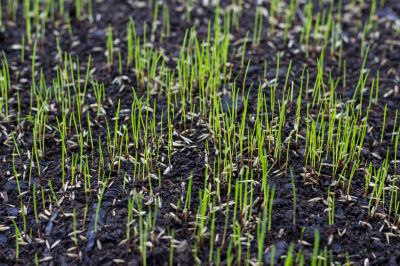
Spring offers ideal conditions for initial land clearing and site preparation.

Fall provides a suitable window for completing land clearing projects.
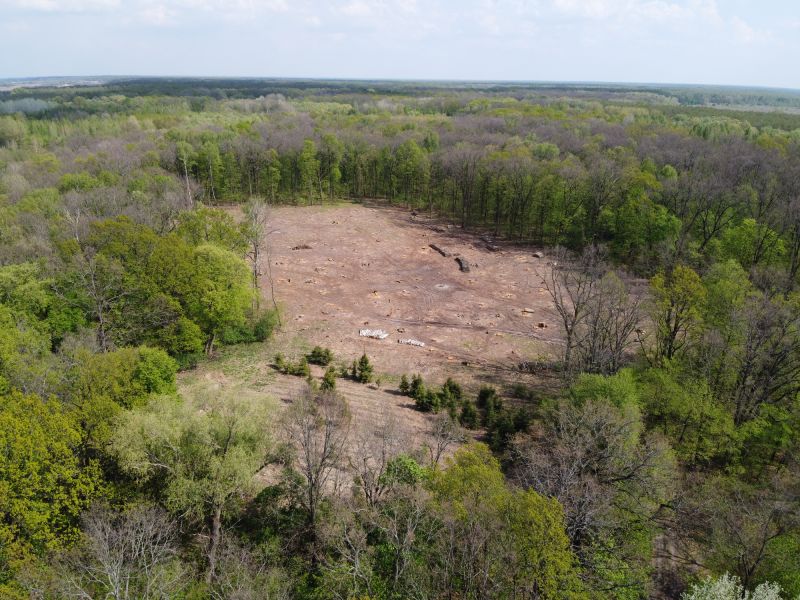
Winter conditions can complicate land clearing efforts due to frozen soil.
For those considering land clearing, selecting the appropriate season can lead to smoother operations, lower costs, and a more efficient project timeline. Monitoring weather forecasts and soil conditions helps determine the best window for starting land clearing activities.
Interested parties are encouraged to contact for further information or to discuss specific land clearing needs. Proper planning and timing can facilitate successful project execution and optimal land use.